Greenland’s ice melt is speeding up with coastal areas in developing countries more at risk than ever
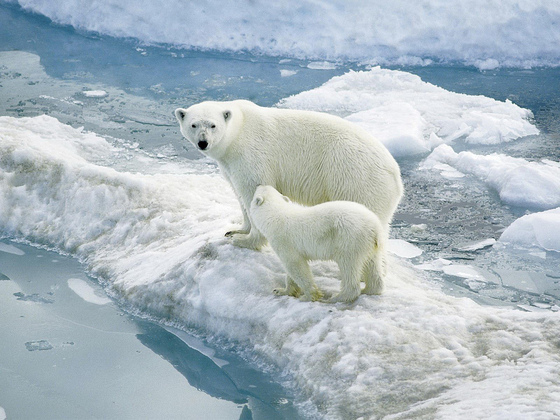
Ice loss is adding to the plight of polar bears living in a marginalised Arctic zone, which can end up stranded on ice bergs. (Image by sheilapic76)
Arctic sea ice remains at dangerously low levels while melting of Greenland’s continental ice continues to climb. This is causing ocean levels to rise, with coastal regions in developing countries most in danger.
Greenhouse gas emissions reached their highest levels on record in 2016, contributing to significant damage to ice levels on both sea and land, according to a provisional statement on the global climate in 2016 from the World Meteorological Organisation.
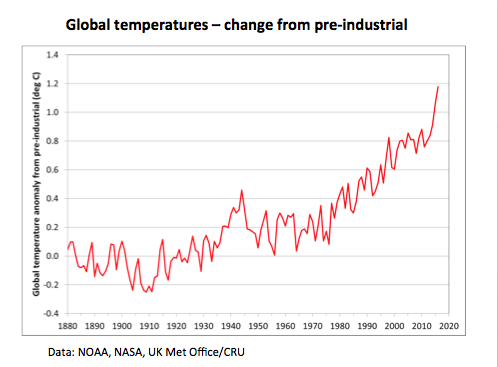
The statement, which was launched at the UN climate conference in Marrakech on Monday 14, confirmed predictions that 2016 is likely to be the hottest year on record, with global temperatures averaging 1.2C above pre-industrial levels. The soaring temperatures have caused particular damage to the Arctic region, including the Greenland ice cap, which alone contains 10% of the world’s total ice mass, and which is melting much faster than previously thought.
“Even a small change in sea can have catastrophic implications for the frequency of disastrous floods,” said Peter Wadhams, Emeritus Professor at Cambridge University and author of the book A Farewell to Ice, which considers the consequences of the planet’s ice loss.
“If you can’t afford to change the height of your flood defences, this is disastrous. In the US or Europe, with the exception of Miami or New Orleans, that is fine but not for poor countries. A metre rise in Bangladesh, for example, where you have people living at sea level will have a much greater effect,” he added.
Greenland’s ice sheet melt was substantially above the 1990-2013 average, with especially strong melt in July. The seasonal minimum in September was 4.14 million square kilometres, the lowest since 2007. Meanwhile, snow cover across the entire northern hemisphere remained well below average.
Over a period of just ten days in July 2012 almost the entire ice surface of Greenland melted.
As well as imperilling coastal areas, the loss of ice also endangers wildlife and traditional cultures in countries that lie within the Arctic regions. Particularly vulnerable are Canada, Alaska and Scandinavia.
“Most at danger now is the Inuit, who still value the traditional life which has been passed on through the generations over centuries. Ice is thinner, and skidoos fall through it. Reports of loss of life are increasing. [There are] less dog sledges running on the ice because of these increased dangers,” said Maria Pia Casarini, an expert in Arctic culture.
Loss of ice has also added to the plight of polar bears living in a marginalised Arctic zone, and which can end up stranded on ice bergs, starving to death.
Scientists criticised previous studies for underestimating the rate of the ice melt on the island, which lies within the Danish realm.
“The IPCC (Intergovernmental Panel on Climate Change) is guilty of excessive complacency in their [low] 2007 predictions of how much sea levels will rise before the year 2100, which ignored the melt of the Greenland ice sheet,” said Wadhams.
New studies of ice melt tend be more dramatic than historical predictions because scientists are able to monitor a greater number of processes that accelerate the rate at which glaciers move and eventually crash into the sea.
The two causes of ice melt are ocean warming, which makes the water less dense, causing it to rise; and warmer air in the summer, which moves over the Arctic and causes surface melt. This water can run out through ice shoots, making glaciers flow faster and dump freshwater into the sea causing sea levels to rise even faster.
According to Dr James Hansen, American adjunct professor in the Department of Earth and Environmental Sciences at Columbia University, sea levels will rise by four to five metres by the end of the century. This is far higher than previous IPCC estimates.
If we are to have a chance at protecting our coastal regions and Arctic wildlife we must begin planning more realistically.
Greenhouse gas emissions reached their highest levels on record in 2016, contributing to significant damage to ice levels on both sea and land, according to a provisional statement on the global climate in 2016 from the World Meteorological Organisation.
The statement, which was launched at the UN climate conference in Marrakech on Monday 14, confirmed predictions that 2016 is likely to be the hottest year on record, with global temperatures averaging 1.2C above pre-industrial levels. The soaring temperatures have caused particular damage to the Arctic region, including the Greenland ice cap, which alone contains 10% of the world’s total ice mass, and which is melting much faster than previously thought.
“Even a small change in sea can have catastrophic implications for the frequency of disastrous floods,” said Peter Wadhams, Emeritus Professor at Cambridge University and author of the book A Farewell to Ice, which considers the consequences of the planet’s ice loss.
“If you can’t afford to change the height of your flood defences, this is disastrous. In the US or Europe, with the exception of Miami or New Orleans, that is fine but not for poor countries. A metre rise in Bangladesh, for example, where you have people living at sea level will have a much greater effect,” he added.
Greenland’s ice sheet melt was substantially above the 1990-2013 average, with especially strong melt in July. The seasonal minimum in September was 4.14 million square kilometres, the lowest since 2007. Meanwhile, snow cover across the entire northern hemisphere remained well below average.
Over a period of just ten days in July 2012 almost the entire ice surface of Greenland melted.
As well as imperilling coastal areas, the loss of ice also endangers wildlife and traditional cultures in countries that lie within the Arctic regions. Particularly vulnerable are Canada, Alaska and Scandinavia.
“Most at danger now is the Inuit, who still value the traditional life which has been passed on through the generations over centuries. Ice is thinner, and skidoos fall through it. Reports of loss of life are increasing. [There are] less dog sledges running on the ice because of these increased dangers,” said Maria Pia Casarini, an expert in Arctic culture.
Loss of ice has also added to the plight of polar bears living in a marginalised Arctic zone, and which can end up stranded on ice bergs, starving to death.
Scientists criticised previous studies for underestimating the rate of the ice melt on the island, which lies within the Danish realm.
“The IPCC (Intergovernmental Panel on Climate Change) is guilty of excessive complacency in their [low] 2007 predictions of how much sea levels will rise before the year 2100, which ignored the melt of the Greenland ice sheet,” said Wadhams.
New studies of ice melt tend be more dramatic than historical predictions because scientists are able to monitor a greater number of processes that accelerate the rate at which glaciers move and eventually crash into the sea.
The two causes of ice melt are ocean warming, which makes the water less dense, causing it to rise; and warmer air in the summer, which moves over the Arctic and causes surface melt. This water can run out through ice shoots, making glaciers flow faster and dump freshwater into the sea causing sea levels to rise even faster.
According to Dr James Hansen, American adjunct professor in the Department of Earth and Environmental Sciences at Columbia University, sea levels will rise by four to five metres by the end of the century. This is far higher than previous IPCC estimates.
If we are to have a chance at protecting our coastal regions and Arctic wildlife we must begin planning more realistically.
Courtesy: chinadialogue
Comments
Post a Comment