As this year’s UN climate talks get underway, we ask a panel of experts what action they hope to emerge from the two-week negotiation
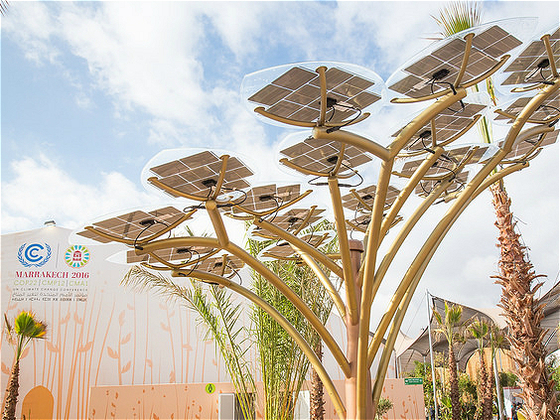
(Image by UNclimatechange)
Zou Ji, deputy director general, China’s National Centre for Climate Change Strategy and International Cooperation
China's climate strategy and policy is in accordance with China's national interest and is not dependent on the US presidency. The fundamental incentive is China’s need to drive growth by escalating the economic transition, improving air quality, boosting the growth rate through efficiency improvements, and strengthening energy security.
Under President Trump, climate cooperation between the US and China will need a new strategy with new priorities and highlights. There are still many opportunities for cooperation on topics such as energy and environmental protection, especially in investment and trade in new energy and energy efficiency.
During the campaign, Trump displayed a negative position on climate change. However, it would take tremendous legal effort to withdraw the US from the Paris Agreement and change the domestic emission reduction targets that were set by President Obama. Furthermore, such actions would require significant political and diplomatic risks. It is highly probable that Trump will not pursue withdrawal when he officially takes office, nor will he set more ambitious goals for climate action. Renewable energy, energy security, energy trade and technology development could become Trump's political legacy.
Andrew Steer, CEO of World Resources Institute
If COP21 was all about coalescing around a grand vision, this year we need government leaders to pick up their shovels and get to work. We should look for clarification on decisions about the rules and processes for implementing the Paris Agreement. We should also start the process to establish a strong moment in 2018 to take stock of the gap to reduce emissions, of the progress that has been made, and of the opportunities for even greater action.
Despite that international cooperation on climate change has been a bright spot in 2016, all the goals set by countries combined are still not enough to stay within 1.5C or even 2C of global warming [above pre-industrial levels]. Negotiators in Marrakech need to keep pace with the political momentum that we are seeing in countries around the world. Leaders in businesses, cities and communities also need to accelerate the transition underway.
Additionally, countries need to make more concrete plans about how developing countries will receive the financial support they need to achieve their climate goals. The US$100 billion (6,800 billion yuan) roadmap shows a positive upward trend in climate finance. With continued concerted action, that goal is within reach. Marrakech offers a chance to reassure developing countries of that. It’s also critical to make sure that finance is actually accessible.
Saleemul Huq, senior fellow at International Institute for Environment and Development
From the perspective of the most vulnerable countries represented, I hope to see three main outcomes from COP22 in Marrakech this month.
The first, and by far the most important one, is the enhanced momentum toward making the 1.5C long term temperature goal a reality and not just an aspiration. The coming into force of the Paris Agreement in record speed speaks to continued positive political momentum after Paris which now needs to be built on to implement the agreement.
The second issue from the perspective of the most vulnerable countries is the adoption of the recommendations of the Executive Committee of the Warsaw International Mechanism on Loss and Damage. In particular, the five year rolling plan on Loss and Damage. For the vulnerable developing countries COP22 will be the "Loss and Damage COP".
The third issue that needs to be resolved, is not a new decision but the better implementation of old decisions, particularly regarding the delivery of finance from the developed countries for adaptation in the most vulnerable developing countries. Much has already been promised but little has actually been delivered. The bottlenecks to delivering the money already allocated should be removed immediately.
José Sarney Filho, Brazilian minister of the environment
COP22 will only be a success if member countries move forward on regulations to implement the Paris Accord.
Brazil has a head start in moving toward a low-carbon economy compared to the rest of the world, since it has attained significant results in reducing its emissions, primarily the result of controlling deforestation in the Amazon. Our main challenge is to mobilise resources and investments to consolidate the creation of a low-carbon economy. In Brazil we have met our obligations by decreasing emissions with the reduction of deforestation and land use, but this brings with it a very heavy burden.
The developed countries are obliged to uphold their commitments to pass resources to developing countries because the burden of maintaining the biomes which provide socio-environmental services to the world cannot rest only on those who live in these biomes, as is the case in the Amazon.
Jennifer Morgan, executive director of Greenpeace International
Marrakech is about deciding on the rules to implement the goals so they are not only achieved but overachieved. The outcomes that will signal success include:
Firstly, clear action to increase both immediate and future emission cuts, through strengthening existing climate plans (or nationally determined contributions), to keep the global average temperature rise to 1.5C.
Secondly, clear and consistent rules for how countries can account for emission reductions, assess the adequacy of their targets in 2018 and in later review rounds, and how countries will count their finance moving forward.
Thirdly, a set of decisions and commitments, from delivering on finance and capacity building to keeping adaptation front and centre, to ensure that poor and vulnerable countries are supported, both to implement their climate plans and to deal with the devastating impacts that climate change is having on their countries.
Finally, a way forward on getting long-term 2050 transformational plans in place on reducing emissions, building resilience and shifting finance. To signal to the corporate, financial and public sectors that fossil fuels are on their way out and that the billions invested in coal, oil and gas will shift to renewables, to achieve a zero-carbon energy system.
China's climate strategy and policy is in accordance with China's national interest and is not dependent on the US presidency. The fundamental incentive is China’s need to drive growth by escalating the economic transition, improving air quality, boosting the growth rate through efficiency improvements, and strengthening energy security.
Under President Trump, climate cooperation between the US and China will need a new strategy with new priorities and highlights. There are still many opportunities for cooperation on topics such as energy and environmental protection, especially in investment and trade in new energy and energy efficiency.
During the campaign, Trump displayed a negative position on climate change. However, it would take tremendous legal effort to withdraw the US from the Paris Agreement and change the domestic emission reduction targets that were set by President Obama. Furthermore, such actions would require significant political and diplomatic risks. It is highly probable that Trump will not pursue withdrawal when he officially takes office, nor will he set more ambitious goals for climate action. Renewable energy, energy security, energy trade and technology development could become Trump's political legacy.
Andrew Steer, CEO of World Resources Institute
If COP21 was all about coalescing around a grand vision, this year we need government leaders to pick up their shovels and get to work. We should look for clarification on decisions about the rules and processes for implementing the Paris Agreement. We should also start the process to establish a strong moment in 2018 to take stock of the gap to reduce emissions, of the progress that has been made, and of the opportunities for even greater action.
Despite that international cooperation on climate change has been a bright spot in 2016, all the goals set by countries combined are still not enough to stay within 1.5C or even 2C of global warming [above pre-industrial levels]. Negotiators in Marrakech need to keep pace with the political momentum that we are seeing in countries around the world. Leaders in businesses, cities and communities also need to accelerate the transition underway.
Additionally, countries need to make more concrete plans about how developing countries will receive the financial support they need to achieve their climate goals. The US$100 billion (6,800 billion yuan) roadmap shows a positive upward trend in climate finance. With continued concerted action, that goal is within reach. Marrakech offers a chance to reassure developing countries of that. It’s also critical to make sure that finance is actually accessible.
Saleemul Huq, senior fellow at International Institute for Environment and Development
From the perspective of the most vulnerable countries represented, I hope to see three main outcomes from COP22 in Marrakech this month.
The first, and by far the most important one, is the enhanced momentum toward making the 1.5C long term temperature goal a reality and not just an aspiration. The coming into force of the Paris Agreement in record speed speaks to continued positive political momentum after Paris which now needs to be built on to implement the agreement.
The second issue from the perspective of the most vulnerable countries is the adoption of the recommendations of the Executive Committee of the Warsaw International Mechanism on Loss and Damage. In particular, the five year rolling plan on Loss and Damage. For the vulnerable developing countries COP22 will be the "Loss and Damage COP".
The third issue that needs to be resolved, is not a new decision but the better implementation of old decisions, particularly regarding the delivery of finance from the developed countries for adaptation in the most vulnerable developing countries. Much has already been promised but little has actually been delivered. The bottlenecks to delivering the money already allocated should be removed immediately.
José Sarney Filho, Brazilian minister of the environment
COP22 will only be a success if member countries move forward on regulations to implement the Paris Accord.
Brazil has a head start in moving toward a low-carbon economy compared to the rest of the world, since it has attained significant results in reducing its emissions, primarily the result of controlling deforestation in the Amazon. Our main challenge is to mobilise resources and investments to consolidate the creation of a low-carbon economy. In Brazil we have met our obligations by decreasing emissions with the reduction of deforestation and land use, but this brings with it a very heavy burden.
The developed countries are obliged to uphold their commitments to pass resources to developing countries because the burden of maintaining the biomes which provide socio-environmental services to the world cannot rest only on those who live in these biomes, as is the case in the Amazon.
Jennifer Morgan, executive director of Greenpeace International
Marrakech is about deciding on the rules to implement the goals so they are not only achieved but overachieved. The outcomes that will signal success include:
Firstly, clear action to increase both immediate and future emission cuts, through strengthening existing climate plans (or nationally determined contributions), to keep the global average temperature rise to 1.5C.
Secondly, clear and consistent rules for how countries can account for emission reductions, assess the adequacy of their targets in 2018 and in later review rounds, and how countries will count their finance moving forward.
Thirdly, a set of decisions and commitments, from delivering on finance and capacity building to keeping adaptation front and centre, to ensure that poor and vulnerable countries are supported, both to implement their climate plans and to deal with the devastating impacts that climate change is having on their countries.
Finally, a way forward on getting long-term 2050 transformational plans in place on reducing emissions, building resilience and shifting finance. To signal to the corporate, financial and public sectors that fossil fuels are on their way out and that the billions invested in coal, oil and gas will shift to renewables, to achieve a zero-carbon energy system.
Courtesy:chonadialogue
Comments
Post a Comment